
Magnetic Assembly or Magnet Assembly? Why the Difference Matters Before You Specify
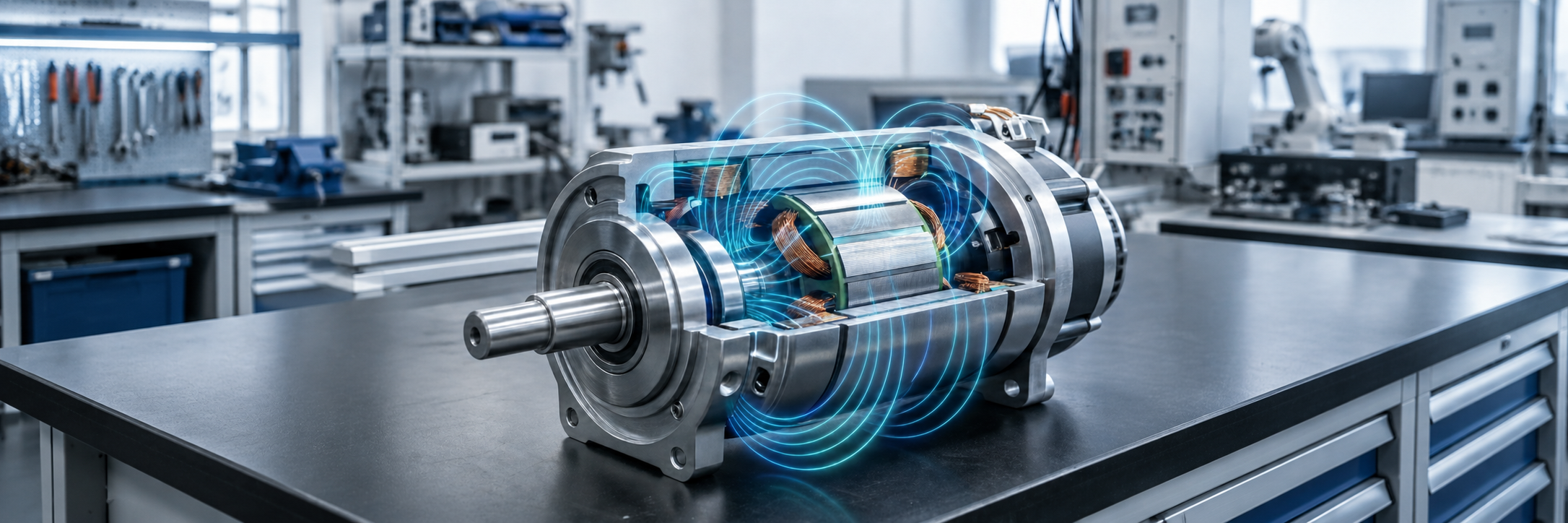
They sound almost identical, but "magnetic assembly" and "magnet assembly" refer to two completely different products — different materials, different bonding processes, and different failure points if you get it wrong. One is built from ferrite cores that shape magnetic flux; the other integrates permanent magnets into motors, drives, and precision motion systems. Confusing the two at the spec stage can mean the wrong adhesive, the wrong tolerance strategy, or a process that never scales past the prototype bench.
In our latest blog, we break down what separates ferrite core gluing from permanent magnet-to-steel bonding, where each one is used, and the manufacturing-first questions every engineer should ask before specifying a bonded magnetic assembly.
Read the full article to make sure you're specifying the right process from the start.
NdFeB Magnetic Assemblies: Engineered for Manufacturing, Built to Scale
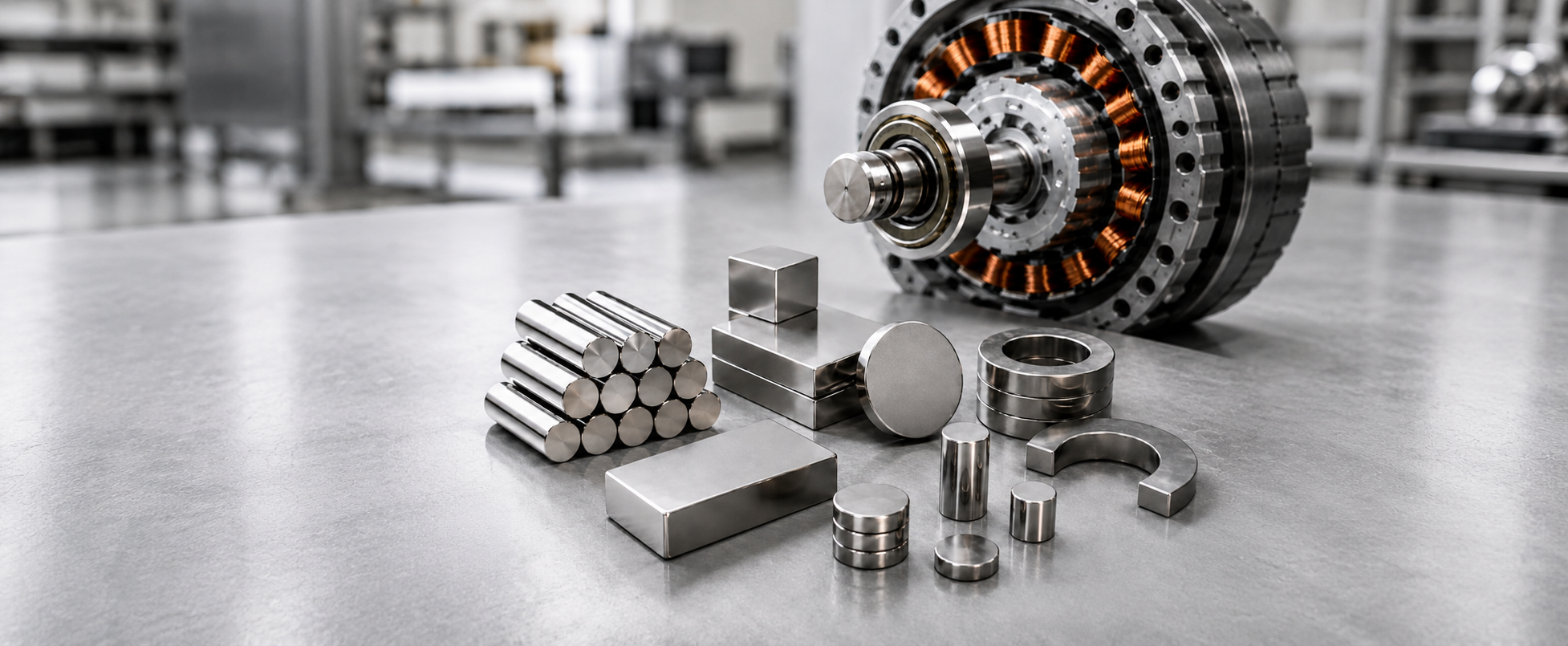
Following on the ferrite vs. magnet distinction above, here's what that looks like in practice on the permanent magnet side. Engineering teams building precision motion, sensing, and actuation systems face a familiar trade-off: high magnetic flux density in a compact footprint usually means longer lead times, more tooling investment, and redesign risk once you move from prototype to volume.
Allstar's approach removes that trade-off. By combining high-energy NdFeB magnets with CNC-machined steel structures and application-matched adhesive systems — and reviewing manufacturability before design lock — the same assembly that passes prototype validation runs unchanged at production volume.
Read the full case study to see how this engineering-led approach cuts development time and program risk.