
RF GENERATORS – A CASE STUDY

RF GENERATORS – A CASE STUDY

RF GENERATORS

From Prototype to Production: Allstar Magnetics’ Custom
Components Drive Innovation in Medical Devices

Client: A leading medical device manufacturer specializing in equipment for arthroscopic surgery.

Industry: Medical Devices

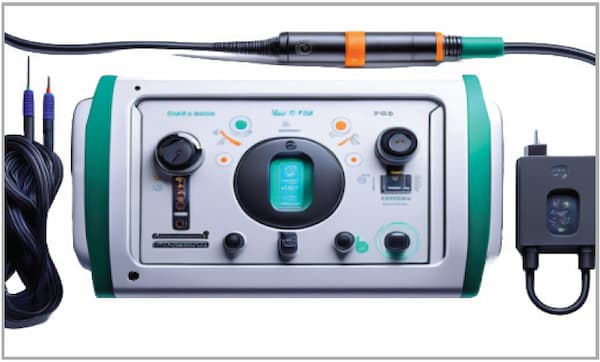
Project Overview: A medical device manufacturer approached Allstar Magnetics with a need for custom wound components to power their nextgeneration radio frequency (RF) generator, used in arthroscopic surgery. The RF generator was designed to use energy for precise surgical tasks, and they required custom transformers and inductors to meet both regulatory and functional demands. The challenge was to develop components that provided reliable performance, power isolation for patient safety, and compliance with FDA requirements, while maintaining efficient manufacturability.

Allstar’s Approach: Allstar Magnetics engaged in a collaborative partnership with the client, acting as an extension of their development team. The project involved developing ten different custom wound components, including transformers for power regulation and critical patient isolation.

RF GENERATORS

Client Testimonial: While engineers rarely express feedback explicitly, the ongoing demand for Allstar’s components after 30 years speaks volumes about the effectiveness of the collaboration. The medical device manufacturer continues to rely on Allstar for the same custom wound components, even as the product has evolved to meet modern medical standards.

Key aspects of the project included:

  1. Consultative Design Support: The client provided basic specifications, and Allstar helped shape the technical design, material selection, and manufacturability to ensure that the components would meet electrical and regulatory requirements. Allstar proposed configurations, produced prototypes, and collaborated with the client through multiple iterations to finalize designs.
  2. Patient Isolation Transformer: A crucial component was the patient isolation transformer, which provided necessary separation between the device’s power source and the patient to meet FDA safety standards. This transformer played a pivotal role in preventing electrical risks during surgery.
  3. Prototyping and Testing: Allstar provided multiple rounds of prototypes for the client’s testing and proof of concept. Throughout the process, adjustments were made to ensure that the components performed optimally in the medical device’s RF generator.
  4. Scalable Production: After successful testing and design finalization, Allstar scaled the production of the components, leveraging both in-house and offshore manufacturing capabilities. The design allowed for easy scalability to meet the growing demand for the medical device.

Results:

  • Successful Product Launch: The RF generator launched successfully, and the device gained traction in the medical community, particularly in arthroscopic surgery for procedures like rotator cuff repair and tissue ablation. The components designed by Allstar have remained integral to the product’s long-standing success.
  • Compliance with FDA Regulations: The power isolation transformers provided by Allstar ensured full compliance with FDA regulations, safeguarding patients from electrical risks during surgical procedures.
  • Long-Term Partnership: The success of the RF generator contributed to a lasting relationship between Allstar and the client. Even as the original manufacturer was acquired multiple times, Allstar continued to supply the components for ongoing product iterations, making the collaboration a cornerstone of the device’s market longevity.

Conclusion: Allstar Magnetics’ expertise in custom wound components and collaborative design support allowed the medical device manufacturer to bring an innovative RF generator to market. The partnership enabled seamless scaling, compliance with stringent regulations, and continuous product improvement, contributing to the device’s success in the medical industry for over three decades.

lidar technology – a case study

lidar technology – a case study

LiDAR TECHNOLOGY
Client: New technology developer for LiDAR applications

Project Overview: The client required a complex milled ferrite and wound wire set for their LiDAR application, designed to allow data and power to move independently without interference. While theoretically feasible at the prototype level, no attempt at volume manufacturing had succeeded due to material and winding complexities. Prior efforts had failed, resulting in critical delays for the client’s product development. Allstar Magnetics partnered with the client to overcome these challenges, leveraging their expertise in CNC milling, winding, and material development to deliver an innovative solution.

LiDAR TECHNOLOGY

Allstar’s Approach: Allstar Magnetics devised a comprehensive manufacturing process to address the project’s unique demands. From optimizing CNC milling parameters to developing a robust winding and gluing process, the team ensured that all components met stringent performance specifications. A 24/5 production strategy enabled consistent high-volume output, while innovative packaging solutions facilitated seamless assembly for the client’s end-use.

Client Testimonial: “Allstar Magnetics’ ability to combine material expertise with advanced CNC milling and winding techniques was the key to overcoming the challenges we faced. Their innovative approach and commitment to quality allowed us to move from prototypes to full-scale production, exceeding our expectations and enabling the success of our LiDAR program.”

Conclusion: Comprehensive magnetic solutions, all in one place. Allstarmagnetics.com Through a combination of CNC milling, material expertise, and precision manufacturing techniques, Allstar Magnetics enabled the client to achieve what had previously been impossible: high-volume production of a complex milled ferrite and wound wire set. This case study underscores the value of Allstar’s holistic approach to solving intricate manufacturing challenges, positioning their client for long-term success in the rapidly evolving LiDAR technology sector.

Key Aspects of the Project:

  1. Research & Material Development: Allstar conducted extensive research to understand the materials’ specific properties and challenges, laying the groundwork for a reliable manufacturing process.
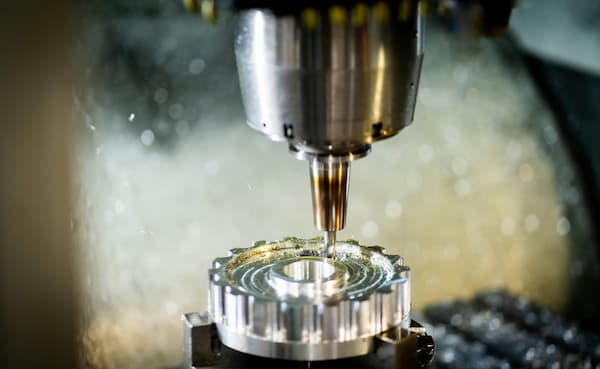
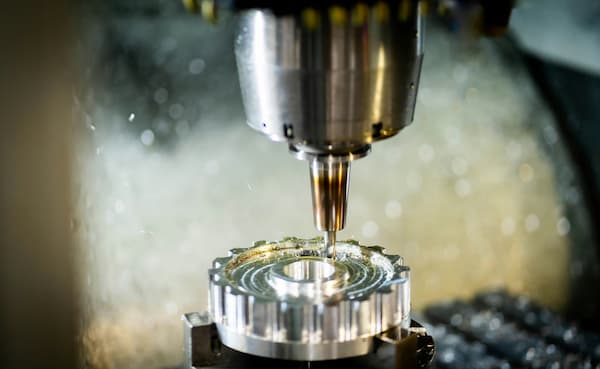
  2. CNC Milling: The team established optimal cutting tools and RPM levels to precisely mill the specialty ferrite components, implementing high-efficiency placement arrays for volume production.
  3. Prototype Conversion to Volume Production: What began as a prototype was rapidly scaled into a repeatable, high-volume manufacturing process.
  4. Winding and Gluing: A refined winding and gluing process minimized breakage and maintained precise inductance specifications.
  5. Testing: 100% AQL testing ensured compliance and reliability, with all data communicated to the client in advance.
  6. Packaging: Allstar designed new packaging materials and layouts to ensure safe transportation and immediate usability upon delivery.

Results: Allstar Magnetics delivered a manufacturing solution that allowed the client to:

  • Ramp up production 10x within 30 days.
  • Eliminate nearly all in field failures associated with the milled and wound components.
  • Secure larger contracts and advance their program from concept to growth phase.
  • Achieve exceptional reliability and durability in the critical ferrite and winding components, ensuring the success of their LiDAR product.
LiDAR TECHNOLOGY
Custom Power Systems – A CASE STUDY

Custom Power Systems – A CASE STUDY

CUSTOM POWER SYSTEMS

Collaboration in Action: Custom Transformer Development for
Fire Signaling and Security Systems

Client: A leading manufacturer of power and data transmission systems used in Fire Signaling, Surveillance, Security and Access Control applications.

Industry: Industrial Networking and Power
Systems

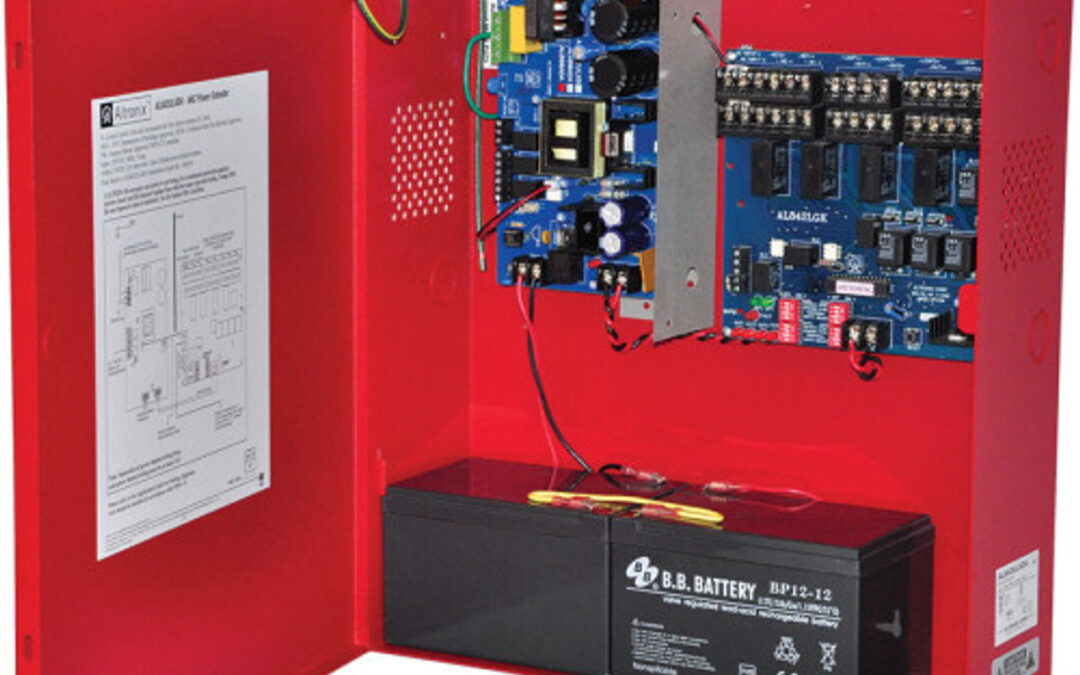
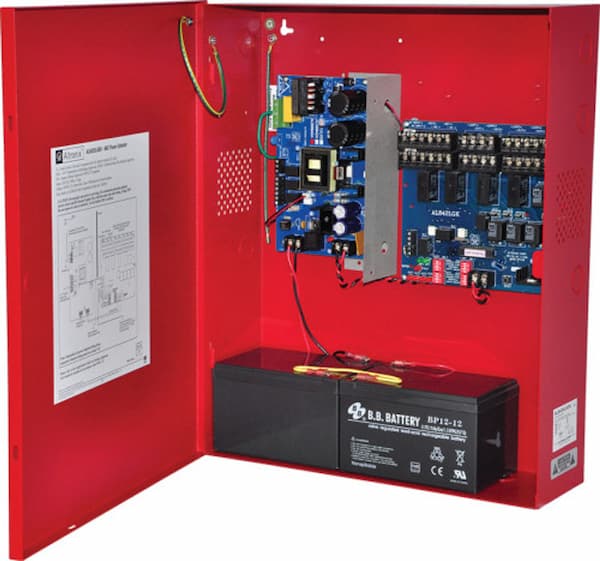
Project Overview: The client approached Allstar Magnetics with the challenge of designing a custom transformer to support a clean sheet design for their power systems. These systems are critical in applications like Fire Signaling, Surveillance, Security and Access Control. The project involved co-developing a unique transformer with a semiconductor company to integrate into a high-efficiency power supply design.

Allstar’s Approach: Allstar Magnetics’ approach to this project was defined by a commitment to collaboration, customization, and scalability. By partnering with the semiconductor company and working directly with the client, Allstar ensured that the transformer design met both the specific technical requirements and unique application needs. This comprehensive approach enabled delivering a high-efficiency power management solution tailored to the client’s industrial networking and power system applications.

CUSTOM POWER SYSTEMS

Conclusion: Allstar Magnetics’ ability to collaborate with both semiconductor companies and end customers enabled the successful development of a high-efficiency power system solution. Through customization and scalable production, Allstar delivered a transformer that powered critical network systems, supporting the client’s power and data transmission systems. This case exemplifies Allstar’s role as a reliable partner in the design, prototyping, and scaling of custom magnetic components for industrial applications.

Key aspects of the project included: 

  1. Collaboration with Semiconductor Partner: The power supply topology for the project required a specific microchip, designed by Fairchild Semiconductor (now part of ON Semiconductor). Allstar worked closely with the semiconductor company to design a custom transformer configuration tailored to this chip’s requirements. The collaboration resulted in a reference design, showcasing the power management solution that would later be adopted by other companies.
  2. Customizing for Client’s Needs: Once the transformer design was published as part of the semiconductor company’s reference design, the client reached out to Allstar to customize the transformer for their specific application. Allstar adapted the reference design to meet the client’s unique power system requirements, ensuring optimal performance in their network and power systems.
  3. Iterative Development Process: The project involved multiple iterations of the transformer design, with Allstar providing prototypes that were tested and refined based on the client’s feedback. Within 9 to 12 months, the team moved from initial prototypes to a finalized design, ensuring the transformer met all functional and performance criteria.
  4. Scalable Production: Once the design was f inalized, Allstar scaled production to meet the client’s growing demand. The company leveraged its offshore manufacturing capabilities to produce hundreds of thousands of units annually, supporting the client’s large-scale deployment of their network systems.

Results:

  • Seamless Integration with Power Systems: The custom transformer provided the high efficiency required for the client’s power systems, ensuring reliable operation for critical applications like fire signaling, surveillance, or security.
  • Enhanced Collaboration: By working closely with both the semiconductor partner and the client, Allstar demonstrated its ability to collaborate across industries and design innovative solutions that integrate seamlessly into complex systems.
  • Market Growth and Scalability: The project not only fulfilled the immediate needs of the client but also positioned Allstar Magnetics as a trusted partner for future growth. The client’s products gained traction, leading to large-scale production runs and ongoing demand for the custom transformers.